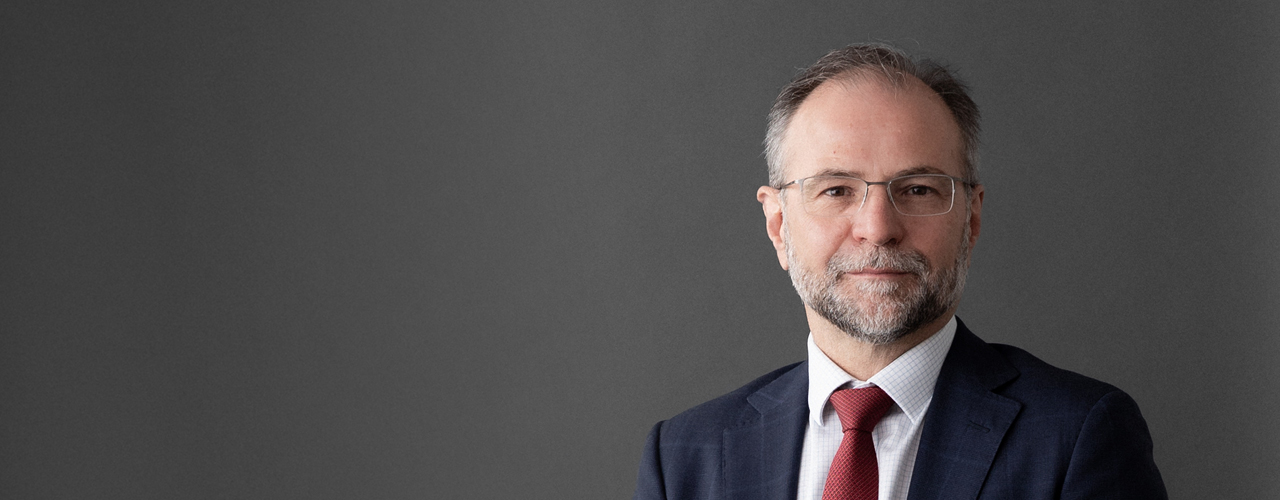
In Bendigo Bank’s final Economic Update for 2025, Chief Economist David Robertson issues a report card for 2025 and delivers his forecast for what lies ahead in 2026, including:
- Rates on hold for all of 2026 the most likely New Year resolution
- Australia’s labour market to ease after star performance in 2025
- AI boom to steadily transition to a productivity boom
New year rates resolution: Too soon to assume a rate hike
While the RBA left the cash rate unchanged this week, suggestions it will be hiking rates early next year appear hasty, Mr Robertson said.
“The market has quickly moved from pricing in one more rate cut in 2026 to now pricing in two hikes,” Mr Robertson said.
“While the possibility that the easing cycle is over is clearly much more likely after recent inflation data, the proposition that the RBA may need to hike rates early next year does seem very premature.”
Mr Robertson said the most likely outcome now for the cash rate in 2026 is no change at all, similar to 2024, but there is still a chance of movement in either direction after the RBA reconvenes in February for its first meeting of the year.
“If the RBA do need to adjust rates next year I’d suggest a cut is still as likely as a hike.”
However, price pressures would need to moderate before there is scope for further rate cuts, he said.
“The recent jump in core inflation to 3.3% in the first ‘complete monthly CPI series’ was a setback for those looking for lower interest rates, with broad-based price pressures, but particularly high inflation for housing, travel and accommodation,” Mr Robertson said.
End of year report card for the Aussie economy
As forecast, 2025 saw a shallow easing cycle by the RBA to a more neutral cash rate of around 3.5%, Mr Robertson said, providing several important boosts for the economy.
“There was a recovery in household disposable income and spending thanks to the cash rate cuts and lower inflation in 2025, and a resulting pick-up in private sector demand.”
Private demand has been leading the contributions to growth this year, via private investment and household consumption, Mr Robertson said.
“Growth for Q3 was held back a little by net trade and drawdowns in inventories, but the economy is growing at just over 2% year-on-year.”
The recent surge in business investment is expected to continue - and evolve - into the new year as the growth outlook remains positive.
“The private sector is likely to continue to drive economic growth, helped by resilient export markets - although our forecasts do continue to point to a higher unemployment rate,” Mr Robertson said.
“In short, the current AI investment boom is likely to steadily transition to a productivity and output boom which over time will probably lead to higher interest rates, but that tightening cycle is still more likely in 2027 and 2028.
“Nevertheless the growth outlook is promising for 2026 and Australia’s labour markets have been the star performer among our economic peers.”
Mr Robertson said offshore factors had been the key threat to our economic stability in 2025, although the Aussie economy remained resilient.
“This was especially the case with aggressive US tariffs unveiled in April, but the resilience of our economy and our major trading partners to tariffs and trade tensions has been one of the highlights of the second half of this year, and explains why cash rate cuts below 3.5% are no longer likely.”

Related Articles
-
Bendigo Bank March Economic Update
David Robertson, covers the impact of the Middle East conflict, how high inflation and a strong jobs market are likely to spell a May cash rate hike. -
Bendigo Bank's February Economic Update
Bendigo Bank’s Chief Economist delves into the latest jobs, housing and inflation data and the recent surge in the Aussie Dollar. -

Bendigo Bank's November Economic Update
Rate cut off the Christmas table with May most likely: Bendigo Bank Chief Economist.