"Released today, the Bendigo Bank October Commodity Update highlights how the generally positive recent seasonal conditions across the country will help put many growers and graziers in a good spot heading into harvest and the warmer summer months," said Bendigo Bank Senior Manager Industry Insights, Eliza Redfern.
Cropping and Horticulture
Spring has created ideal growing conditions in many regions, with around 31 million tonnes (Mt) of wheat, 16.5 Mt of barley and 8 Mt of canola expected this year. However, weather conditions have been variable, with crops in the north being small and now wet, the south large and still filling, and WA is dry and harvesting.
Victoria and southeastern Australia have fared the best, with favourable seasonal conditions and consistent spring rainfall driving bumper harvest volumes and decade-high feed reserves.
"The impact of war around the Black Sea in terms of pricing premiums for wheat has diminished, despite attacks on ships continuing. Crop harvest volumes in the northern hemisphere are ample, and Argentina is expecting its second largest crop in 17 years.
"However, volume does not guarantee quality," Ms Redfern explained. "With Canadian protein levels down, cloudy grain-fill conditions in Argentina, and strong Brazilian demand for top-grade milling wheat, the premium has decisively moved from war risk to protein content."
Southern barley relies on sustained export vessel bookings through November and December to absorb the impending harvest peak. In Western Australia, canola pricing remains closely tethered to Chinese import demand, which will determine whether WA’s price premium over eastern states holds firm.
Looking at horticulture, the wide-ranging impact of the El Nino Southern Oscillation upon key fruit export competitors may provide a slight boost to demand for Australian produce into 2027.
Livestock
In cattle markets, widespread rainfall across northeastern Australian growing regions has renewed grazier confidence, raising domestic young cattle prices. Concurrently, heavy steer prices have touched record territory, underpinned by weather-driven logistical challenges and improved seasonal outlook limiting turn off rates.
For sheep and wool, lamb markets continue to draw strength from ongoing tight supply and favourable feeding margins. In contrast, prolonged wet weather has impacted fleece tensile strength, with a greater share of wool on offer showing lower quality measures compared to this time in previous years.
“While higher pasture availability has supported cattle and lamb markets as restocker activity rebounds, the wet conditions have also affected fleece strength in certain areas, placing downward pressure on wool values," said Ms Redfern.
Dairy
The margin squeeze for dairy farmers has come from all angles over the past twelve months – dry conditions pressuring feed prices and production, higher water costs and volatile globally-driven inputs. While the turnaround in weather in 2026 has offered welcome relief on the feed front, balance sheets are still facing pressure from higher interest rates and borrowings.
"In positive news, there’s generally now plenty of stored and standing feed around – the focus has shifted towards replenishing fodder reserves on the back of improved conditions," Ms Redfern said.
"A continuation of favourable operating conditions and the large volumes of conserved feed will help give farmers a lot more wriggle room in their margins this season."
A link to the October 2026 Commodity Update can be found on the Bendigo Bank website.


Related Articles
-
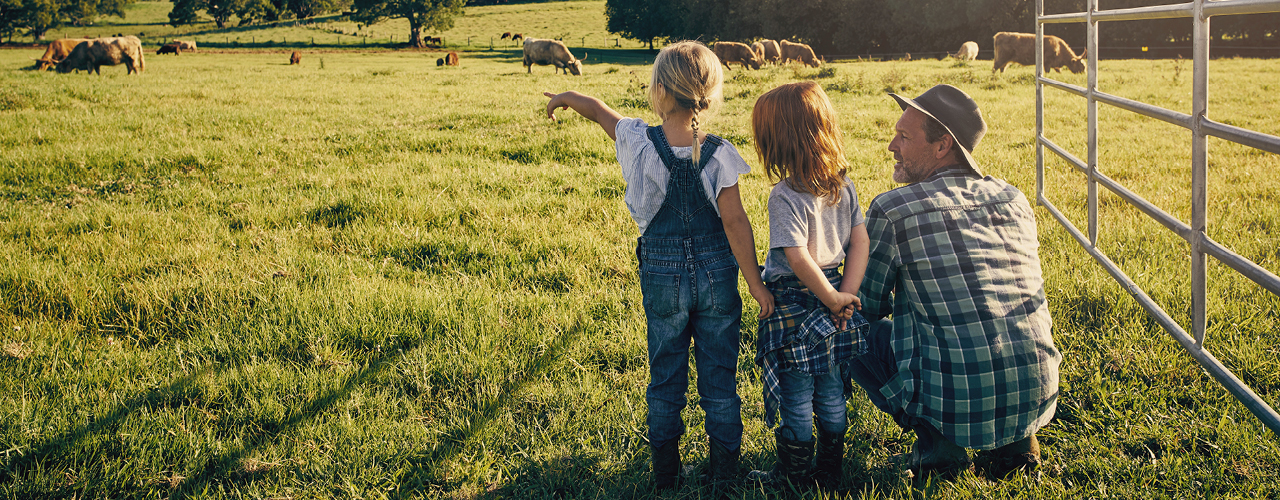
2026 Mid-year Farmland Values Report
Farmland values record strong growth in first half of 2026 on fewer transactions, according to Bendigo Bank’s Australian Farmland Values Report. -
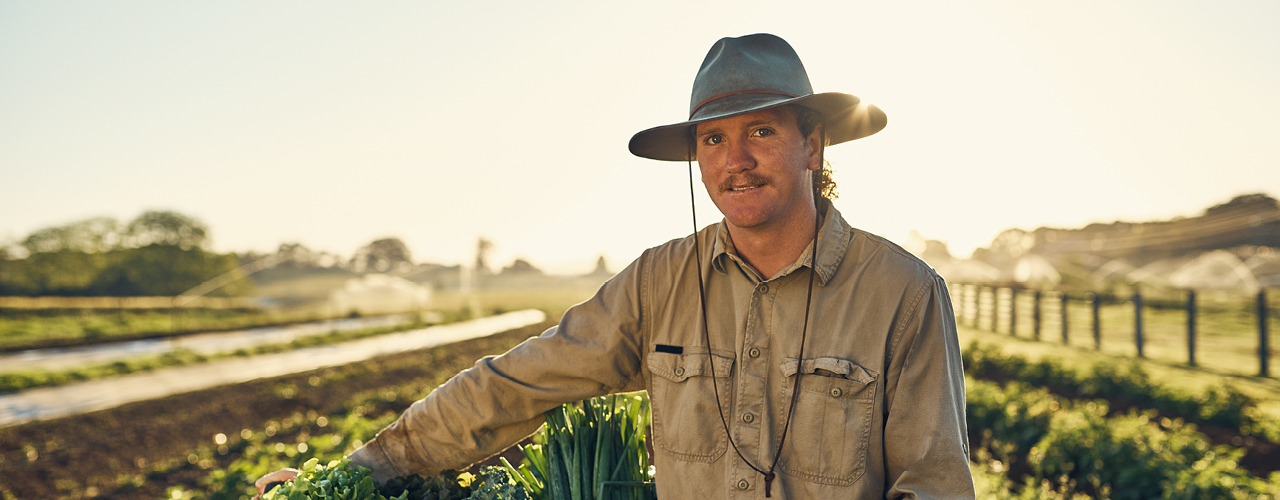
Bendigo Bank named Australia’s Most Trusted Agribusiness Bank
Bendigo Bank has been named Australia’s Most Trusted Agribusiness Bank for the fourth year running in a nationwide poll by Roy Morgan. -
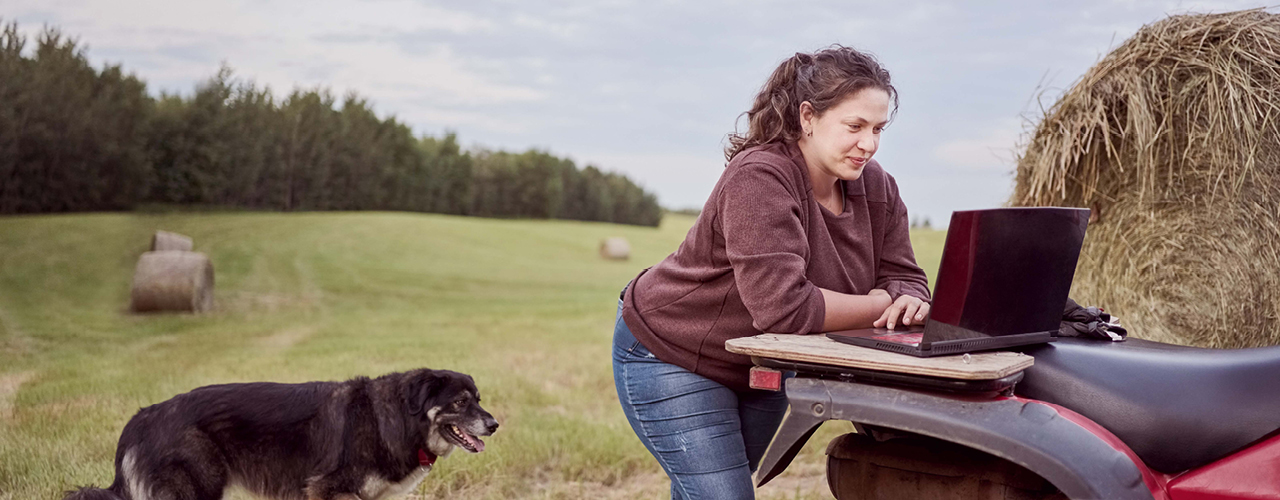
Bendigo Bank September 2026 Commodity Update
A bumper winter crop and strong livestock prices forecast despite mixed seasonal conditions